
The Return of Traditional Wellness Rituals in Modern Self-Care
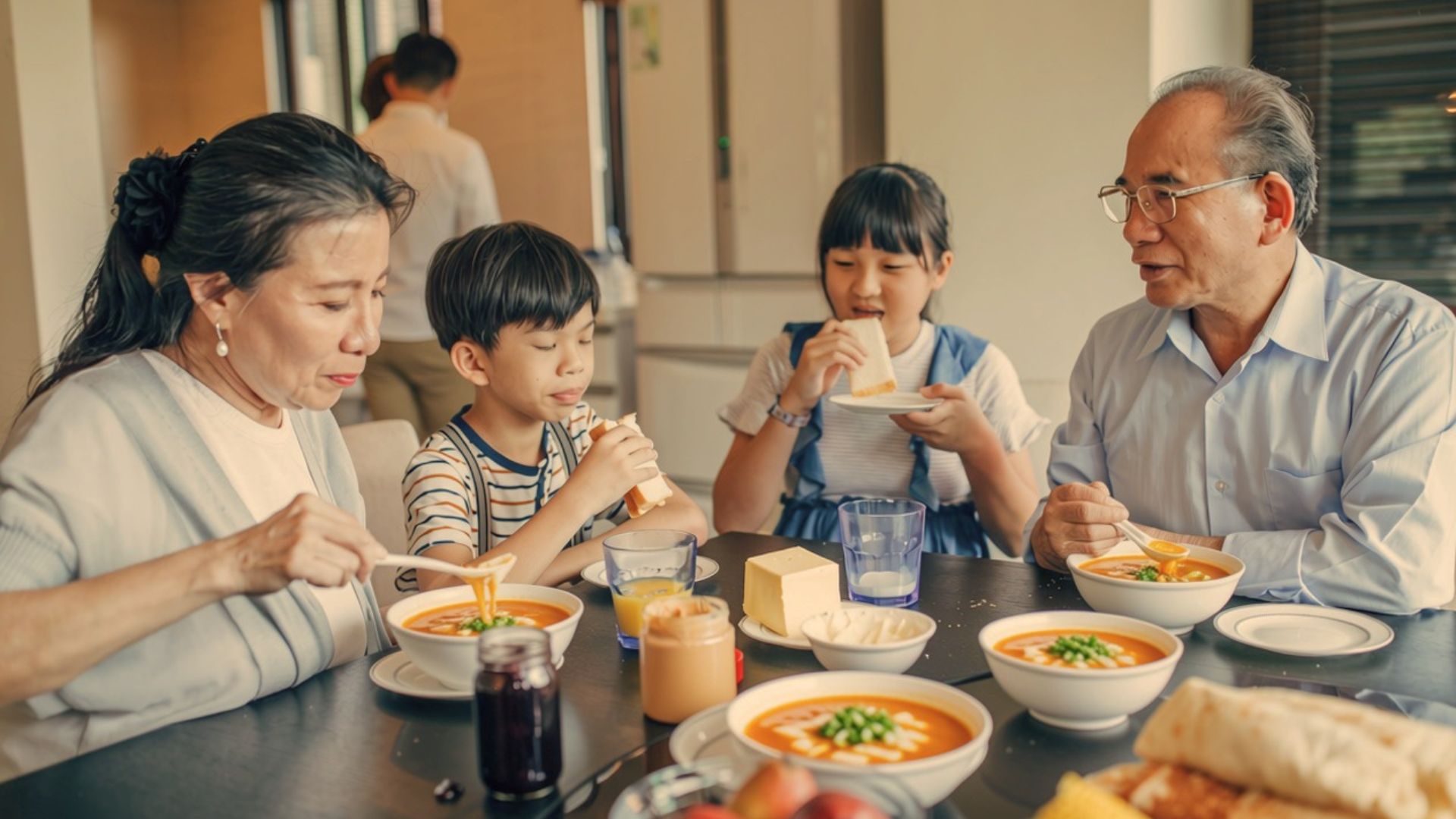
After years of apps, trackers, and supplements, many people are going back to older habits. A pot of tea made slowly, a warm bowl of soup last thing at night, a regular walk or a fixed bedtime routine all sit in the same category. They are simple, repeatable, and tied to a culture, and they offer something that a gadget cannot, which is a reason to stop for a few minutes.
Why old habits can feel new again
Modern life is fast and screen-heavy, so rituals that slow things down hold a particular appeal. A ritual has a beginning, a middle, and an end, uses the senses, and happens at a set time, and that structure signals to the body and mind that a change of pace has begun. Many cultures developed such practices long before the word wellness was in use.
Food has always been part of this. Brands such as Golden Nest, a US company founded in 1996 that sells edible bird’s nest, offer a traditional Chinese delicacy in raw, ready-to-drink and soup forms. For households that grew up with such foods, they are a link to family habits, and for newcomers they are an easy way to try a cultural tradition. The trend also reflects a wish for things that last, since recipes, teas and routines passed down through families come with a story attached, and that story is part of the comfort.
How popular is wellness around the world?
The Global Wellness Institute’s statistics page says the global wellness economy grew by 7.9 percent from 2023 to 2024 and reached a new peak of $6.8 trillion in 2024, doubling in size since 2013. Over the longer term, wellness grew by 6.5 percent a year from 2013 to 2024, while global GDP grew by 3.2 percent a year, and wellness now represents 6.12 percent of global GDP. One widely quoted definition describes wellness as the active pursuit of activities, choices, and lifestyles that lead to a state of holistic health, a broad idea that explains why a tea ritual and a gym membership can both count.
Mental wellness is among the fastest-growing sectors, expanding at an average annual rate of 12.4 percent from 2019 to 2024, behind only wellness real estate at 19.5 percent. The institute projects growth of 7.6 percent a year to nearly $9.8 trillion in 2029, against projected global growth of 4.5 percent.
Those numbers cover everything from spas to supplements to gyms, and they should not be read as endorsements of any product. They do show how much of everyday spending now sits under the wellness label, and why people look for sources they can trust.
What makes a ritual work
A good ritual is small enough to repeat. Ten minutes with a hot drink and no phone is easier to keep than an hour of elaborate preparation, and the habit is what counts. Choosing a consistent time, such as after dinner or before bed, ties the ritual to existing routines.
The sensory side matters as well. Warmth, aroma, texture, and the sound of a kettle all help the mind settle, which is why tea ceremonies, bathing customs, and slow-cooked soups feature in so many traditions. The meaning people attach to a ritual, whether it is a family memory or a seasonal custom, adds to its power. Ritual also helps with decision fatigue. When the same drink, walk, or stretch happens at the same time every day, nobody has to decide whether to do it, and the habit survives tired evenings and busy weeks better than a plan that depends on motivation.
Food, tradition and the claims around it
Traditional foods carry centuries of stories, and many of those stories include health claims. Three things deserve separating. The cultural value of a food is real, the pleasure of eating it is real, and a medical benefit is something that needs evidence from well-run studies. Tradition is not the same as proof.
Treat a food as part of a varied diet and not as a treatment. Nothing in a bowl of soup replaces medical care, and anyone pregnant, managing a health condition, or taking medication should ask a doctor or pharmacist before changing what they eat. Read labels, check the ingredients for allergens, and be cautious of any brand that promises cures. Marketing language deserves close reading, since phrases such as superfood, detox, or immune boosting have no fixed meaning, and a label that sounds scientific is not the same as a proven result, and a traditional name is no guarantee of quality either.
Building your own set of rituals
Start with one. Pick the moment of the day that feels most rushed, and add something slow to it, whether that is a pot of tea at three o’clock, a walk after lunch or a warm drink before bed. Keep it for a fortnight before adding another.
Borrow from your own background as well as from trends. A grandparent’s recipe, a seasonal festival food or a family tea habit carries meaning that no marketing campaign can supply. Share it with others, since a ritual practiced together builds connection, and write down what works so that it survives busy weeks.
Review the set every season. Winter may call for warm soups and early nights, and summer for walks, iced tea, and long evenings outside, so the rituals change with the calendar. Drop the ones that have become chores, because a ritual that feels like an obligation has lost its purpose, and no one should feel guilty for letting it go.